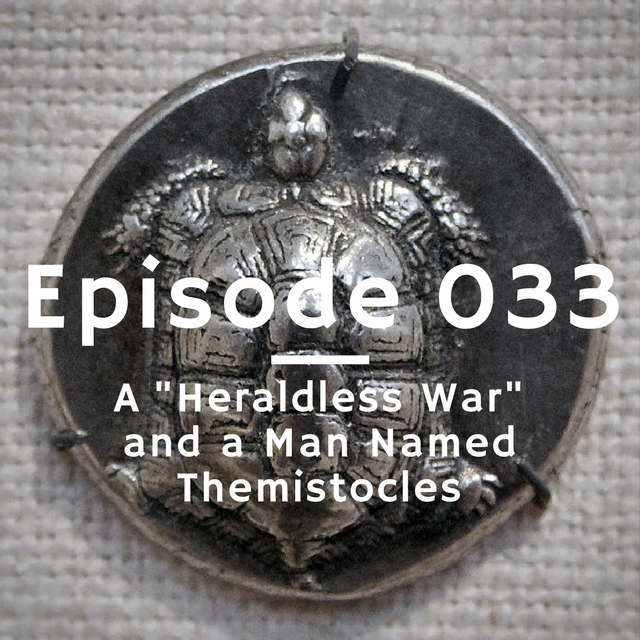
In today's episode the curtain rises on a young man named Themistocles. He's always recognized for the role that he played at Salamis and in the Greek navy's stand against Persia, but today we go back to the earliest we know about his life. We ended last episode in 493 BCE when the Ionian Revolt was effectively ended at Lade, but in that same year Themistocles was made eponymous archon of Athens. Today we look at the early stages of the naval reforms he tried to institute in Athens, with a particular focus on the Athenian port of Phaleron. It was a weak port despite being the only port Athens had used in her history, so after looking at why it was weak, we then look at the location Themistocles proposed as an alternative, the Piraeus. A story that runs through the episode and probably shaped the views of a young Themistocles is one that involves an island rival of Athens, the mercantile power of Aegina. She'd become a naval power before Athens had, so today we look at an undeclared war that simmered between them, the naval focus of their conflicts, and why Aegina actually played an interesting role in the shaping up of the greater conflict with Persia. There's also a bit in there somewhere about Persia's first attempt to invade Greece and the storm that caused one of the biggest naval disasters to that point in ancient history. A meandering but interesting episode, I hope.
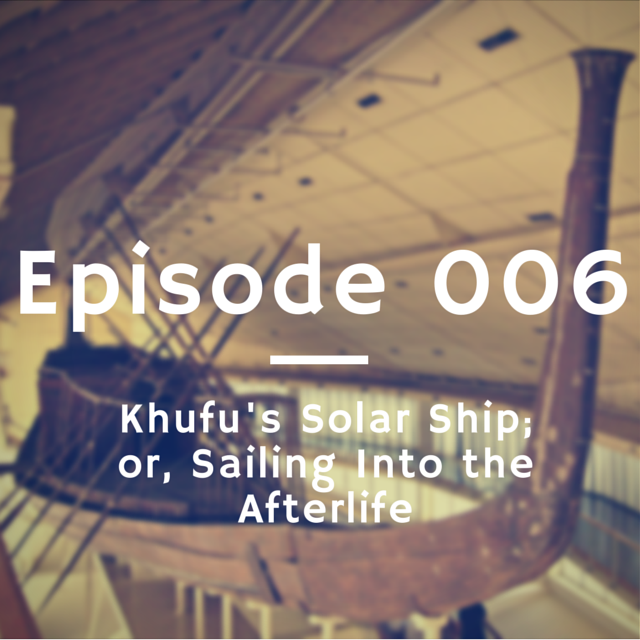
In this episode we meet the Fourth Dynasty pharaohs, their pyramids, and a magnificent ship buried next to Khufu's Great Pyramid at Giza. From...
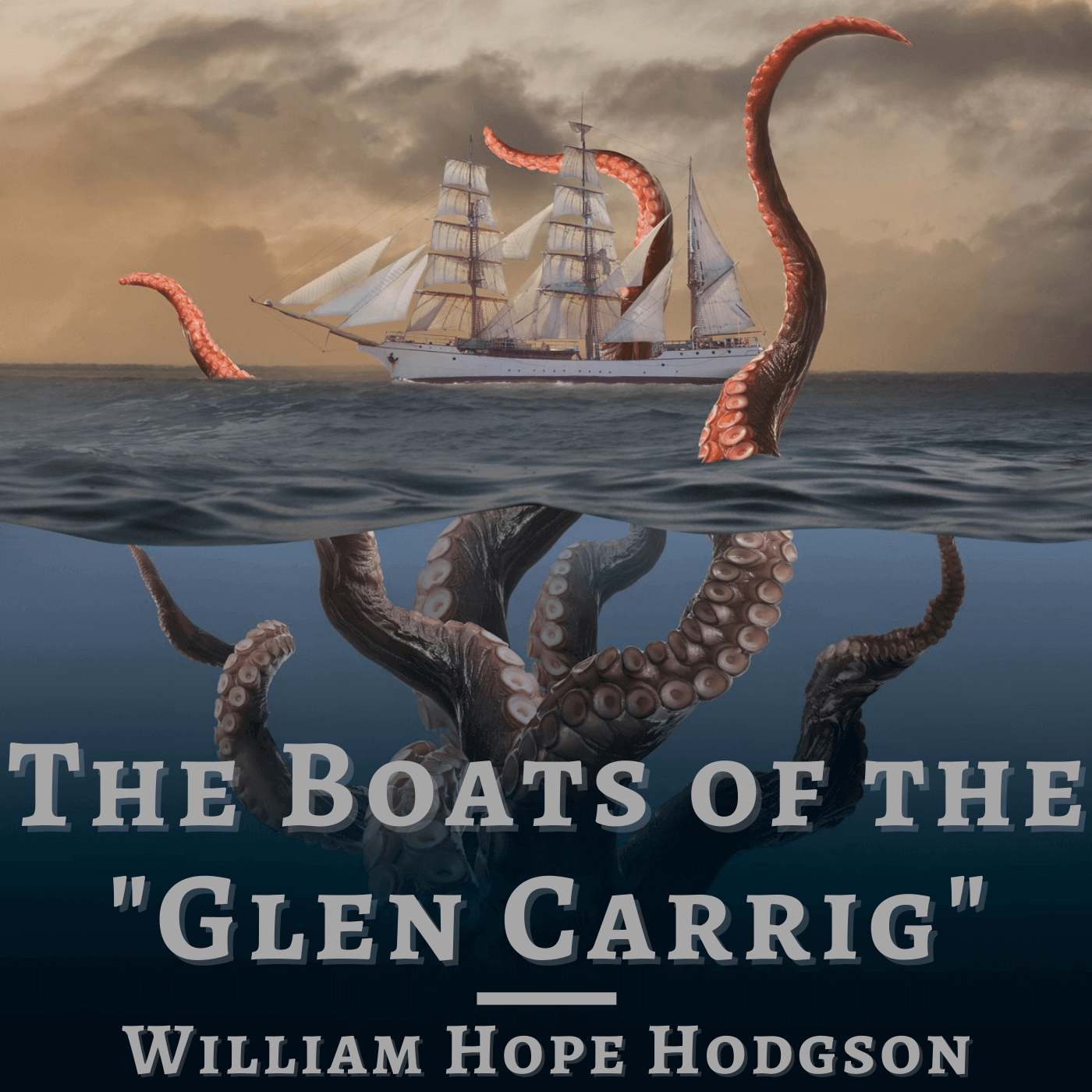
The Boats of the "Glen Carrig" by William Hope Hodgson is a horror/survival novel where survivors of a shipwreck, clinging to the remaining lifeboats,...
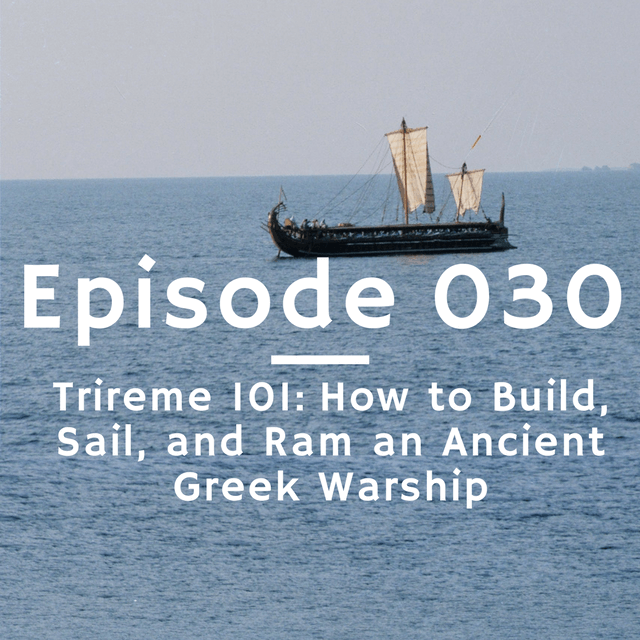
Today we have a lengthy primer focused only on the trireme. After a jaunt through some of the evidence related to when the trireme...